



¾Á¶¦¼¯ÍÅ¡¤(ÖйúÇø)ÓÐÏÞ¹«Ë¾¹ÙÍø

¾Á¶¦¼¯ÍÅ(ÖйúÇø)ÓÐÏÞ¹«Ë¾¹ÙÍø
CN

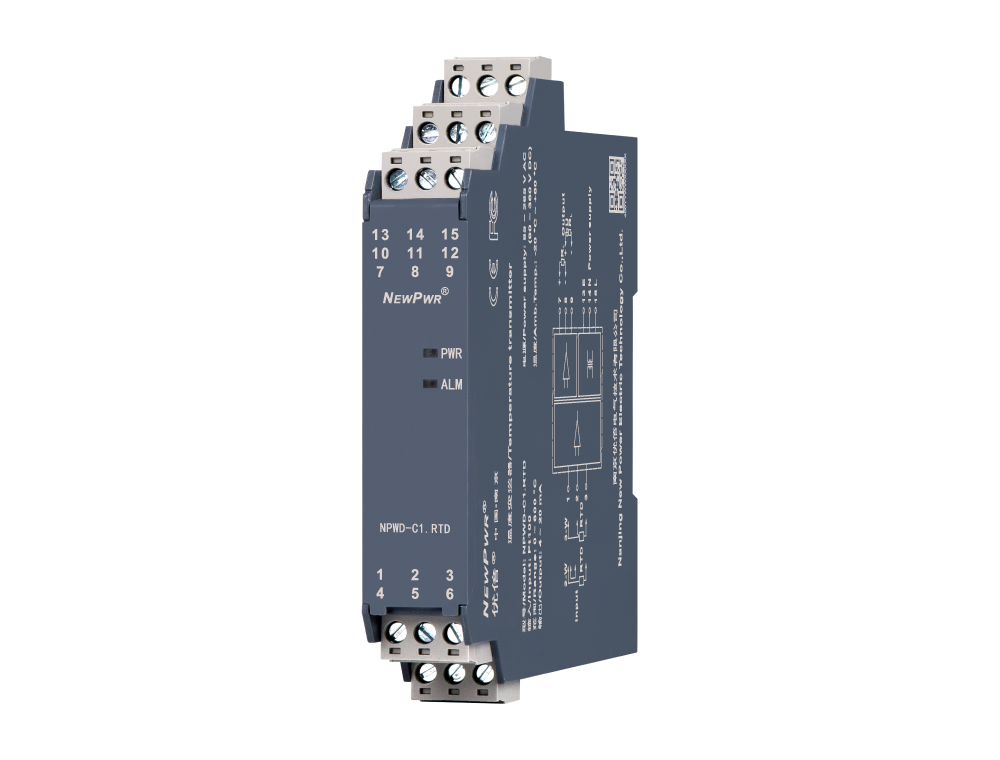
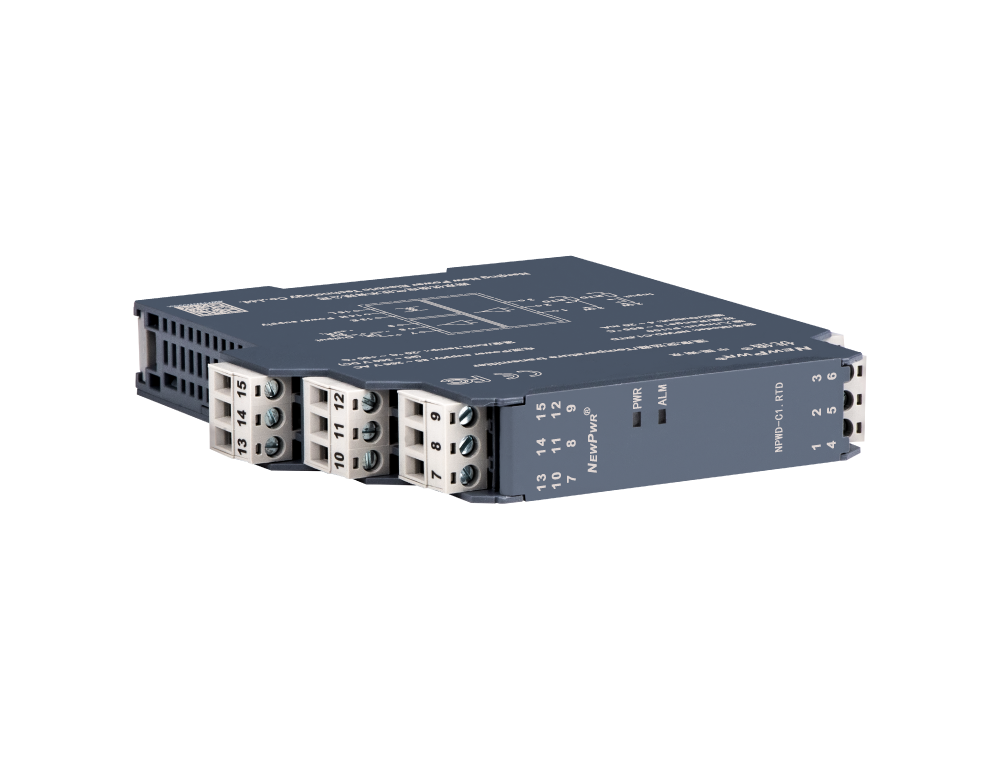
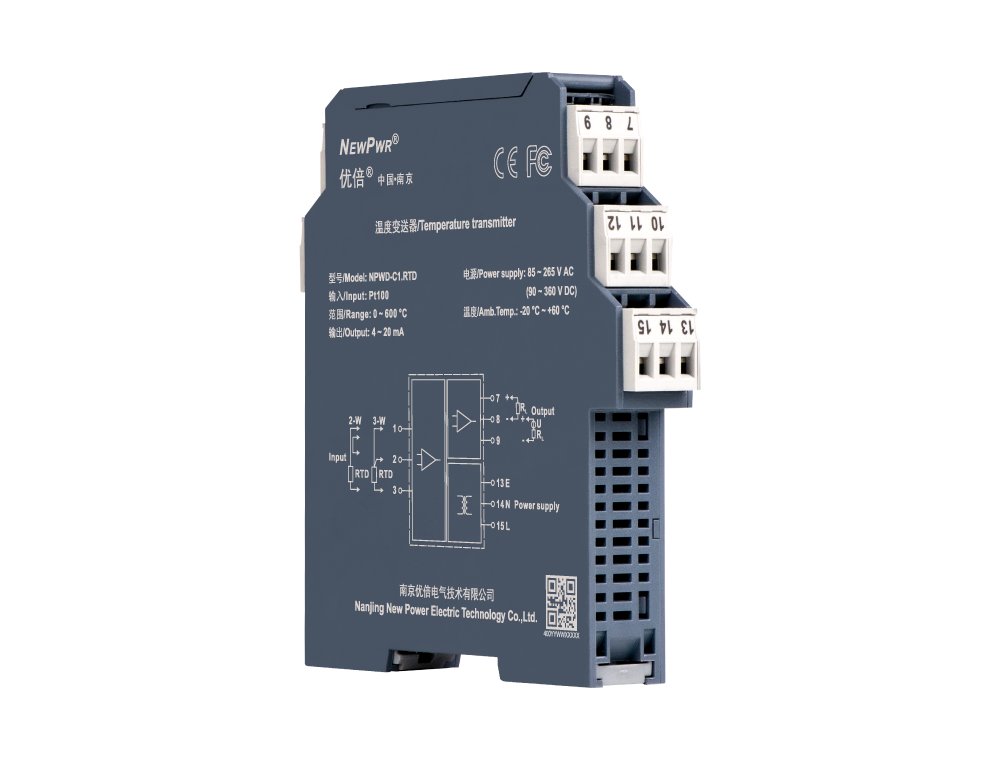
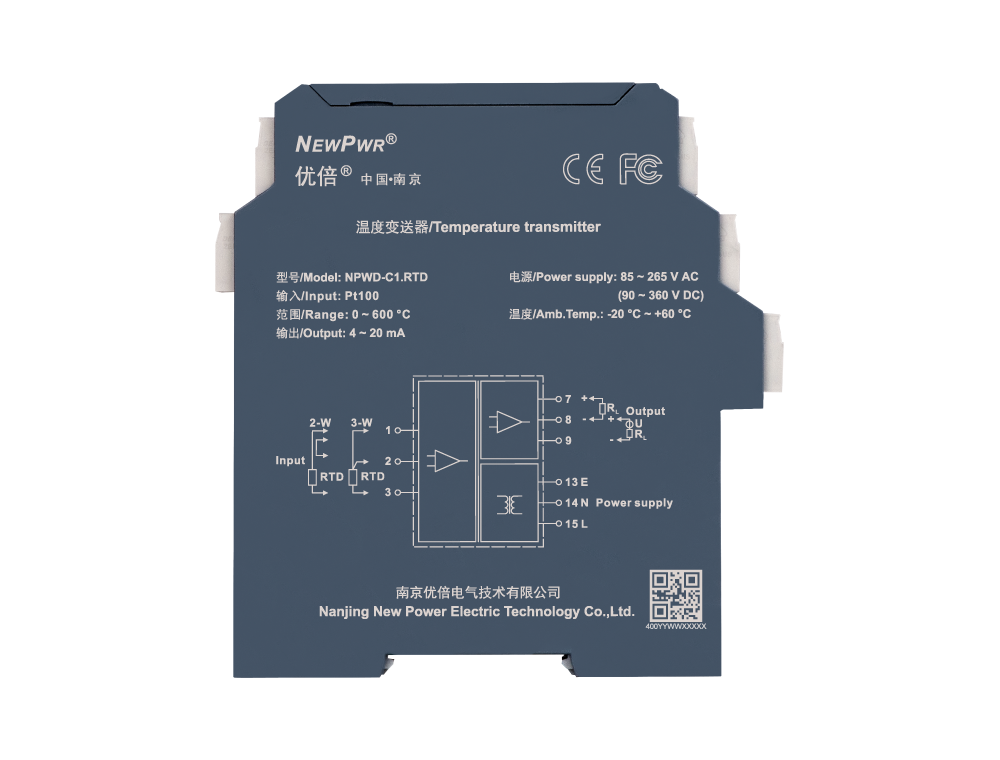
NPWD-C1.RTD

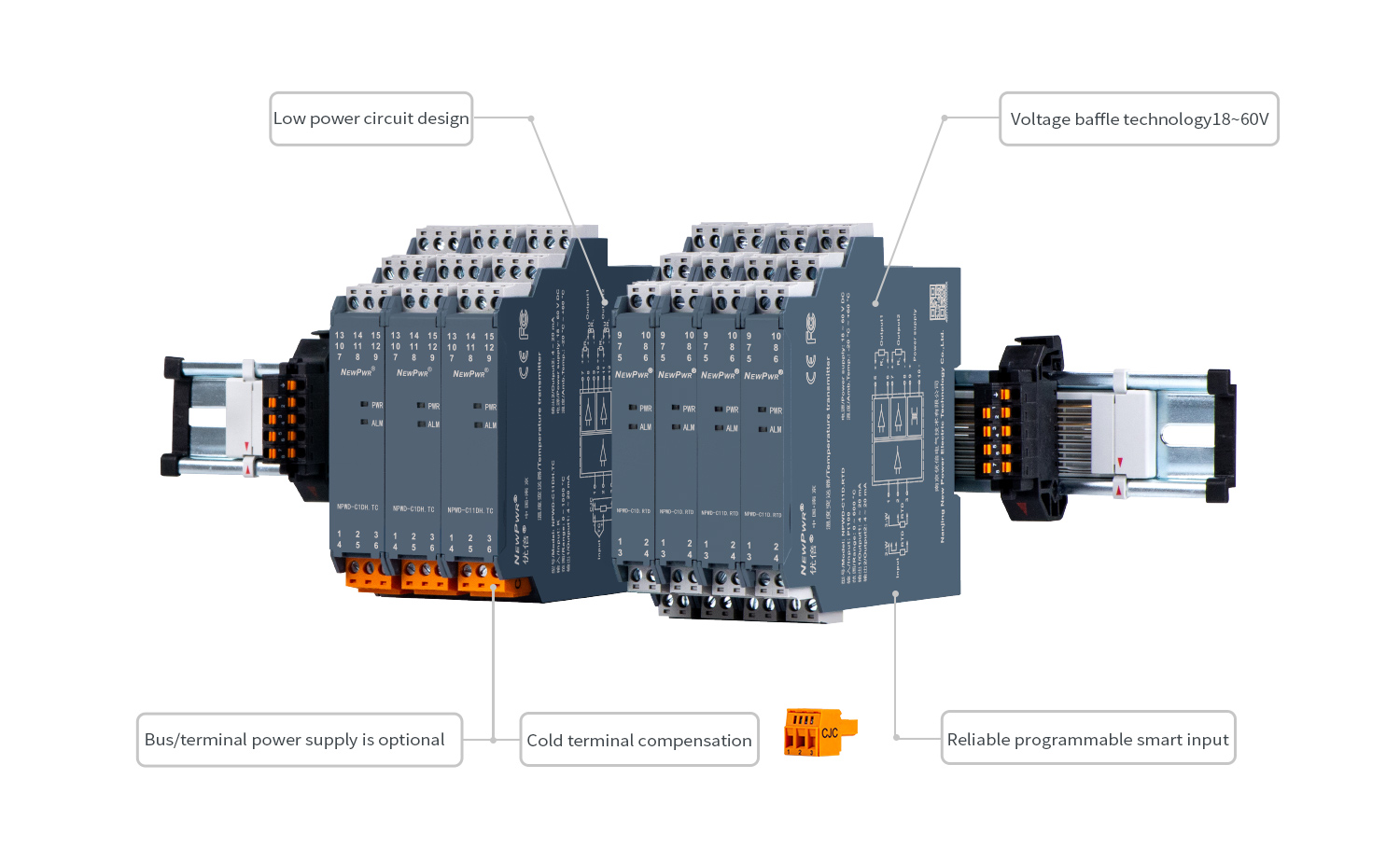
This temperature transmitter converts the thermal resistance signals to 4~20mA signals. It needs an independent power supply. The input, output, and power supply are galvanically isolated from each other. Calibrate the apparatus or modify parameters by using a handheld programmer.

Output signal

Channels

Power Supply Mode

HART

SIL

LCD

Ex

Share
NPWD-C1.RTD

¡¾Core technology¡¿

뱊C.png.jpg


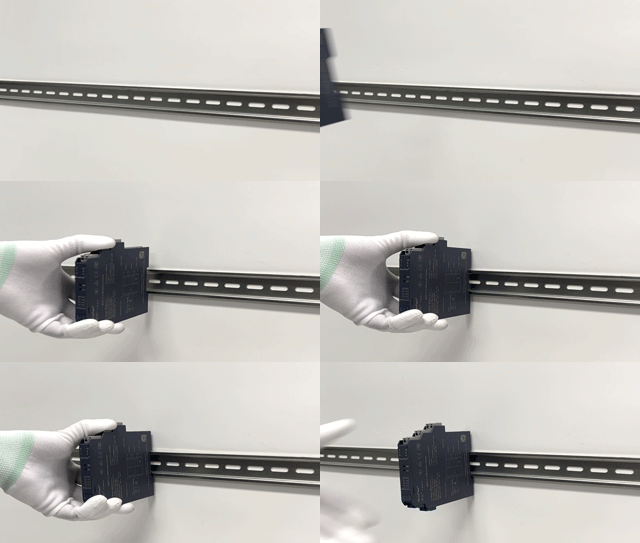
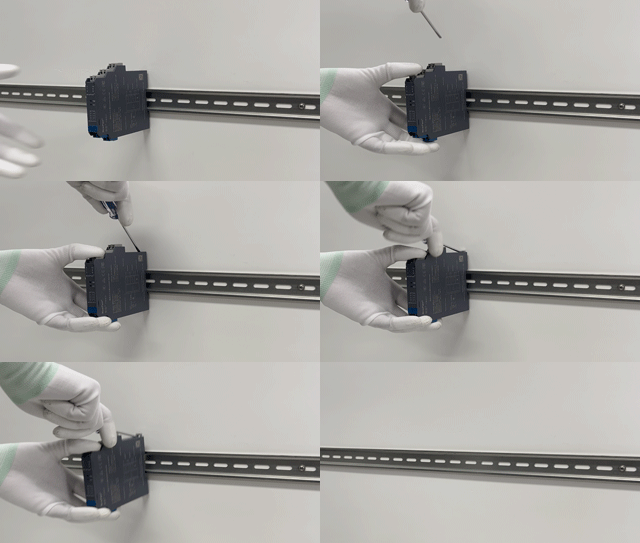
¡¾Installation and disposal¡¿


CϵÁÐ×¢ËÜÍâ¿Ç×°ÖÃ.gifCϵÁÐ×¢ËÜÍâ¿Ç²ðж.gif


Installation                                               Disposal  


Supply
Power supply 85V AC ~ 265 V AC (90 V DC ~ 360 V DC)
Input
Input signal Pt100, Cu100, Cu50, BA1, BA2, etc.
Line resistance ¡Ü 20 ¦¸ per line (RTD)
Output
Output signal 4 ~ 20 mA
Load resistance RL ¡Ü 550 ¦¸
Transfer characterisics
Conversion accuracy-Pt100 -200 ¡æ ~ +850 ¡æ/£¼100 ¡æ£¬£¬£¬£¬£¬£¬¡À0.1 ¡æ/¡Ý100 ¡æ£¬£¬£¬£¬£¬£¬¡À0.1 %F.S.
Conversion accuracy-Cu50 -50 ¡æ ~ +150 ¡æ/£¼100 ¡æ£¬£¬£¬£¬£¬£¬¡À0.1 ¡æ/¡Ý100 ¡æ£¬£¬£¬£¬£¬£¬¡À0.1 %F.S.
Conversion accuracy-Cu100 -50 ¡æ ~ +150 ¡æ/£¼100 ¡æ£¬£¬£¬£¬£¬£¬¡À0.1 ¡æ/¡Ý100 ¡æ£¬£¬£¬£¬£¬£¬¡À0.1 %F.S.
Temperature drift 30 ppm/¡æ
General parameters
Response time ¡Ü 500 ms
Power dissipation ¡Ü 0.8 W
EMC data
Electromagnetic compatibility IEC 61326-3-1
Dielectric strength ¡Ý 1500V AC (Input /Output/Power supply)
Insulation resistance ¡Ý 100 M¦¸ (Input /Output/Power supply)
Operating conditions
Operation temperature -20 ¡æ ~ +60 ¡æ
Storage temperature -40 ¡æ ~ +80 ¡æ
State
Output states Whatever input fault status (except breakage), the output follows the input within measuring range. And the maximum value would not exceed the 110% of the upper limit of the measuring range.
Mechanical specifications
Connection method Screw connection
Dimension 17.8mm (W) ¡Á 110mm (H) ¡Á 117mm (D)
Mounting type DIN35 mm
Certified data
Product approvals CE, FCC
¾Á¶¦¼¯ÍÅ(ÖйúÇø)ÓÐÏÞ¹«Ë¾¹ÙÍø
NPEXA-C11

Ò»ÈëÒ»³ö

ÈȵçżÊäÈëÇå¾²Õ¤

¡¾ÍøÕ¾µØÍ¼¡¿¡¾sitemap¡¿